
From cortisol overload to dangerous heart rhythm changes, chronic stress can damage your heart in ways many people don’t realize.
When people think about protecting their heart, they usually think about diet, exercise, and cholesterol numbers. What often gets overlooked is stress—and the powerful biological chain reaction it sets off inside the body. Even low levels of ongoing or acute stress may spell cardiovascular danger, cautions Dr. Jeannette L. Yuen, a cardiologist with White Plains Hospital Physician Associates. Stress can cause a fast or irregular heart rate, including atrial fibrillation (aFib), especially in seniors, which often goes undetected and raises the risk of stroke and congestive heart failure, she explains.
Stress also can trigger self-soothing eating, leaving you reaching for comfort foods high in arteryhardening saturated fats. Or you may drink more alcohol, which increases the risk of aFib and can weaken the heart muscle over time. In addition, stress causes the body to ramp up production of cortisol, a hormone that elevates heart rate and blood pressure. Cortisol plays an essential role in the body—it helps regulate blood pressure, blood sugar, metabolism, and the sleep-wake cycle—and in short bursts, it’s meant to protect us. The problem isn’t cortisol itself, but chronically high levels driven by ongoing stress. When cortisol stays elevated, the body remains in a constant state of “high alert,” keeping heart rate and blood pressure higher than they should be and promoting inflammation.
Chronic stress can lead to irregular heart rate, increased cortisol levels, and unhealthy habits that are all detrimental to cardiac health.
Over time, this chronic oversupply puts the heart at risk by raising cholesterol, blood pressure, and blood sugar, Dr. Yuen explains, which in turn accelerate plaque buildup and damage to the arteries. It can also contribute to the “tired but wired” feeling many people experience, disrupting sleep and creating a cycle that further strains the cardiovascular system. Dr. Yuen also highlights another sleep issue to watch for: If you snore or gasp loudly while sleeping, wake up tired, or are drowsy during the day, you might have sleep apnea.
“It’s important to get screened, because untreated sleep apnea can cause high blood pressure, atrial fibrillation and other adverse cardiac conditions,” she explains.
3 Screenings Your Heart Will Thank You For
These simple tests reveal hidden heart risks—and potential treatments.
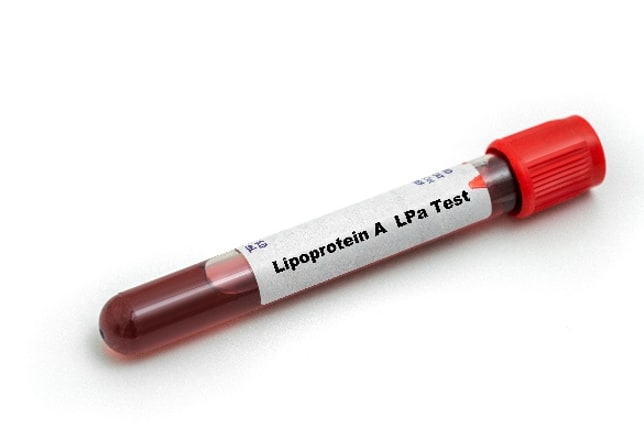
Lipoprotein (a) test
There’s plenty of warnings about LDL, or “bad” cholesterol. However, a similar particle, called lipoprotein(a) or Lp(a), is getting attention as a genetic factor in heart disease. Composed of fat, it can build up in the walls of blood vessels, forming deposits called plaques that may reduce blood flow or rupture, leading to heart attacks or strokes. Lp(a) can also promote blood clots and causes inflammation, increasing the risk that plaque deposits break open.
“A patient’s Lp(a) level should be tested at least once in their lifetime, especially if there’s a family history of heart disease or stroke,” says Dr. Yuen.
Lp(a) levels can’t be changed through diet and exercise. “Someone can have a perfect LDL but still have high Lp(a),” Dr. Yuen notes. Screening is available via a blood test, and patients whose insurance qualifies them for treatment can receive an injection that decreases Lp(a) levels.
High-sensitivity C-reactive protein (CRP) test
“We use this test as a parameter for systemic (body-wide) inflammation,” Dr. Yuen says. Inflammation can contribute to coronary plaque growth and clotting. “If the C-reactive protein numbers are high, then we recommend increasing the statin [a drug that treats high cholesterol],” she says. Because CRP is an inflammatory marker, “the test has to be interpreted in light of other things, such as whether the person has a toothache or a urinary tract infection, for instance.” Very high results may require further evaluation by a rheumatologist or internist, as they can indicate inflammatory diseases that also raise heart risk.
Calcium score testing
This test, performed via a low-dose CT scan, measures calcium deposits inside coronary arteries, which can signal increased risk of heart attack or stroke. However, Dr. Yuen cautions, “the coronary calcium score only detects cholesterol plaques that are calcified. It does not detect noncalcified plaques.” A low score doesn’t rule out disease, but a high score may mean medication and further testing are needed.

Dr. Jeannette Yuen is a Cardiologist with White Plains Hospital Physician Associates, seeing patients at WPHPA of Scarsdale. To make an appointment, please call 914.974.2328.